Uncovering the truth behind popular gambling myths and misconceptions
The Gambler’s Fallacy: Luck vs. Skill
One of the most prevalent myths in gambling is the gambler’s fallacy, which suggests that past events influence future outcomes. Many players believe that if a particular outcome has occurred several times in a row, it is less likely to happen again. This misconception is particularly common in games like roulette or slot machines, where players often feel they can predict future results based on previous spins. In reality, each spin or card drawn is an independent event, unaffected by prior results. Exploring this phenomenon can lead to the discovery of exciting alternatives, such as non gamstop casinos, which offer distinct experiences for gamblers.
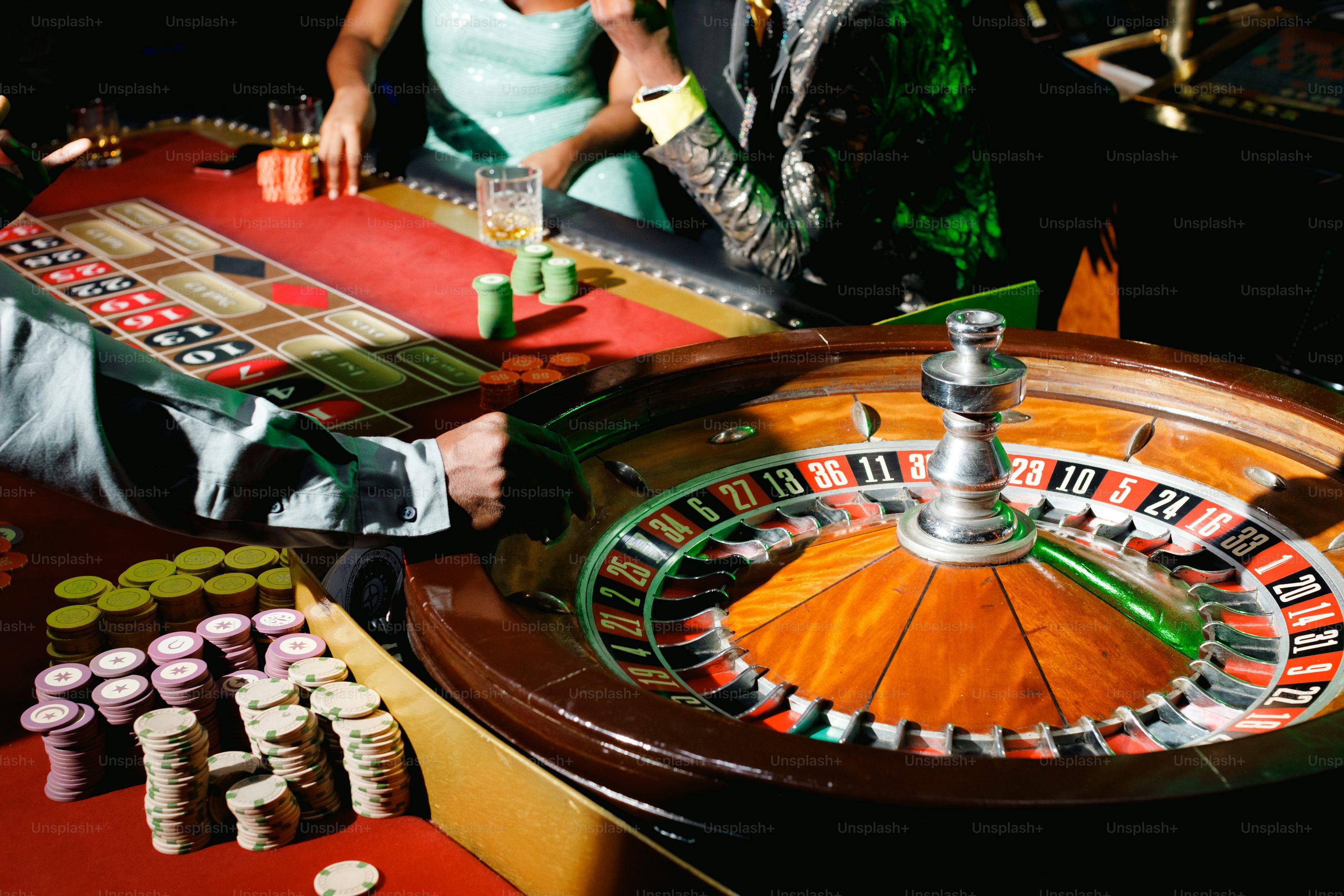
This misunderstanding can lead to poor betting strategies and financial loss. Gamblers may chase losses or alter their bets based on a perceived streak, ultimately falling into a cycle of disappointment. Recognizing that outcomes in games of chance are random is crucial for developing a responsible gambling mindset.
Myth of the “Hot” and “Cold” Machines
Another widespread belief is the idea that slot machines can be “hot” or “cold,” leading players to pursue machines that they believe are due for a payout. Many players claim to have seen patterns in the payout rates of machines, assuming that certain machines are more likely to pay out based on recent activity. However, modern slot machines operate on random number generators, ensuring that each spin is entirely independent.
This notion can create a false sense of security and encourage players to invest more money in machines based on these misconceptions. Understanding that every machine has the same odds can help gamblers make more informed decisions and avoid unnecessary losses.
“The House Always Wins”: Understanding Odds
The phrase “the house always wins” encapsulates a commonly held belief that players are destined to lose when gambling in casinos. While it is true that casinos have a built-in advantage, this doesn’t mean that winning is impossible. Understanding the odds and house edge is essential for any gambler. Certain games, particularly those with a higher skill component like poker or blackjack, allow players to improve their chances through strategic play.
Educating oneself about the different odds associated with various games can empower players to make better decisions. Knowing when to walk away and how to manage one’s bankroll effectively is key to enjoying gambling as a form of entertainment rather than a sure path to financial ruin.
The Role of Psychology in Gambling
The psychology of gambling is another area rife with myths. Many believe that gambling addiction is solely about the money, but it often involves deeper psychological factors such as excitement, risk-taking, and escapism. Gamblers may chase the thrill of the game rather than focusing on monetary outcomes. This pursuit can lead to a compulsive cycle that is difficult to break.
Recognizing the emotional drivers behind gambling is essential for addressing potential addiction. Mental health resources and support systems can help individuals develop healthier relationships with gambling. By understanding the underlying psychological triggers, gamblers can navigate their experiences more mindfully and responsibly.

Connecting Literature and Gambling Insights
While this article focuses on gambling myths, it’s interesting to note how literature often explores themes of chance, fate, and the human experience of risk. Stories that center on gambling can provide insights into human behavior, revealing the complexities of decision-making under uncertainty. Engaging with such narratives can deepen our understanding of both gambling and its psychological impact.
As a vibrant platform for literature enthusiasts, the exploration of themes in fictional works can enhance our comprehension of topics like gambling. Whether through character arcs or plot twists, fiction offers a mirror to our experiences and can inspire discussions around the realities and myths of gambling culture. By fostering a community dedicated to storytelling, we can better appreciate the narratives that shape our understanding of the world, including the often-misunderstood realm of gambling.