Understanding the psychological effects of gambling on decision-making processes
The Nature of Gambling and Its Psychological Impact
Gambling is often viewed as a recreational activity; however, its psychological implications can be profound. The thrill and excitement associated with gambling can create an adrenaline rush that temporarily elevates mood and alters perception. This can lead individuals to make decisions that are not necessarily in their best interests, driven by an emotional response rather than rational thinking. For example, a gambler may chase losses, believing they can recover their money, leading to increasingly risky decisions. At www.betflare-online.net, players are encouraged to recognize these risks before diving into their next game.

The illusion of control is another significant factor influencing gambling behavior. Many players believe they can influence the outcome of a game through skill or strategy, which can create a false sense of security. This belief can distort decision-making processes, making individuals overconfident in their abilities. As they continue to engage in gambling, they may ignore the inherent randomness of games, leading to a cycle of poor choices and increased financial losses.
Additionally, the social environment surrounding gambling can affect decision-making. For instance, peer pressure or a competitive atmosphere can encourage riskier bets. The desire to fit in or impress others can cloud judgment, causing players to make decisions that do not align with their financial goals or personal values. Understanding these psychological factors is crucial for individuals looking to engage in responsible gambling practices.
The Role of Cognitive Biases in Gambling
Cognitive biases significantly influence the decision-making processes of gamblers. One common bias is the confirmation bias, where individuals seek out information or experiences that confirm their existing beliefs while disregarding contradictory evidence. For instance, a player who has experienced a series of wins may focus on those successes and overlook the times they lost. This selective memory can reinforce the idea that gambling is a viable way to make money, which leads to more impulsive and risk-prone decisions.
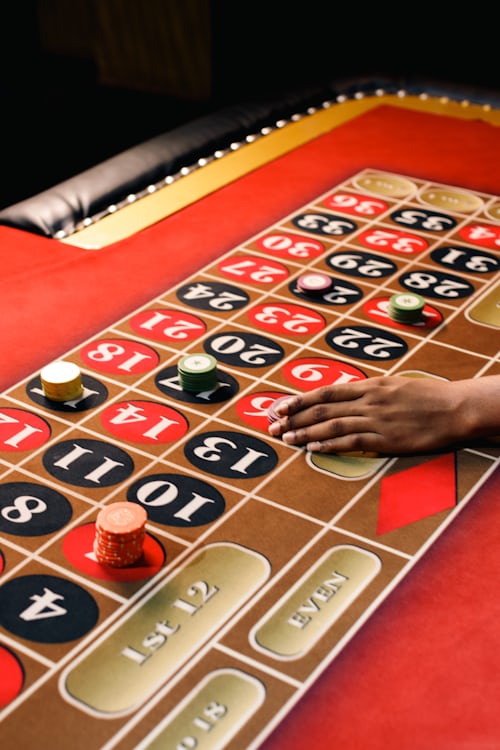
Another prevalent cognitive bias in gambling is the gambler’s fallacy, which is the belief that past events can influence future outcomes in random games. For example, if a roulette wheel lands on red multiple times in a row, a player might irrationally assume that black is “due” to appear. This misunderstanding of probability can lead to poor betting strategies and significant financial losses, demonstrating how cognitive biases can skew rational decision-making.
Recognizing these biases is essential for gamblers. By understanding how cognitive distortions affect their choices, individuals can take steps to mitigate their impact. This could involve setting strict betting limits, seeking third-party perspectives, or engaging in self-reflection to better assess their gambling habits and decision-making processes.
The Emotional Triggers of Gambling Behavior
Emotions play a critical role in gambling behavior and decision-making processes. The highs associated with winning can create an emotional high that is addictive, compelling individuals to gamble more frequently to recapture that feeling. Conversely, losing can lead to frustration and desperation, prompting gamblers to make impulsive decisions as they attempt to recover lost funds. This emotional roller coaster can blur the line between rational judgment and impulsive action, resulting in detrimental outcomes.
Moreover, stress and anxiety can also act as triggers for gambling. Individuals may turn to gambling as a coping mechanism to escape from their problems or alleviate feelings of distress. This can lead to a cycle where gambling becomes a way to manage negative emotions, further exacerbating their decision-making issues. The need to escape can lead to increased risk-taking behavior, making it essential for individuals to recognize the emotional factors influencing their gambling.
Addressing emotional triggers is crucial for responsible gambling. Gamblers should learn to identify their emotional states and the motivations behind their gambling behavior. Techniques such as mindfulness and emotional regulation can assist individuals in making more informed decisions, ultimately leading to healthier gambling habits.
Strategies for Responsible Gambling
Responsible gambling is about understanding the psychological effects of gambling and implementing strategies to mitigate its negative consequences. One effective approach is setting strict limits on both time and money. By establishing boundaries, gamblers can maintain control and prevent impulsive decisions that may arise from the thrill of the game. This structured approach encourages mindful engagement, allowing individuals to enjoy gambling without succumbing to detrimental behaviors.
Another strategy is to incorporate breaks during gambling sessions. Taking time away from the gaming environment allows players to assess their emotional state and overall financial situation. This pause can be vital in preventing impulsive decisions driven by excitement or frustration. It creates an opportunity for reflection, helping individuals to make more rational choices regarding their gambling activities.
Lastly, seeking support from friends or professionals can enhance responsible gambling practices. Open discussions about gambling experiences can provide accountability and insight, allowing individuals to recognize harmful patterns. Many organizations offer resources for gamblers seeking help, promoting healthier decision-making processes and reducing the psychological impact of gambling.
Discovering Online Gaming at Betflare Casino
For those seeking an engaging and responsible gambling experience, Betflare Casino offers a wide array of gaming options that cater to diverse preferences. With thousands of games, including slots and live dealer experiences, players can immerse themselves in a luxurious online casino atmosphere from the comfort of their homes. The platform promotes responsible gambling by providing players with the tools and resources to manage their gameplay effectively.
Betflare Casino prioritizes customer support, ensuring that players have access to assistance whenever needed. This commitment to service reflects an understanding of the psychological aspects of gambling, creating an environment where responsible gaming can thrive. Players can enjoy promotions and bonuses while also being encouraged to gamble responsibly, aligning excitement with careful decision-making.
Ultimately, Betflare Casino is more than just a gaming destination; it is a community that values the well-being of its players. By fostering a culture of responsible gambling, Betflare provides an exciting gaming experience while promoting the psychological health of its users. This balance is essential for enjoying the thrill of gambling while maintaining control over one’s decisions and actions.