The Allure of Casinos: Understanding the Mindset
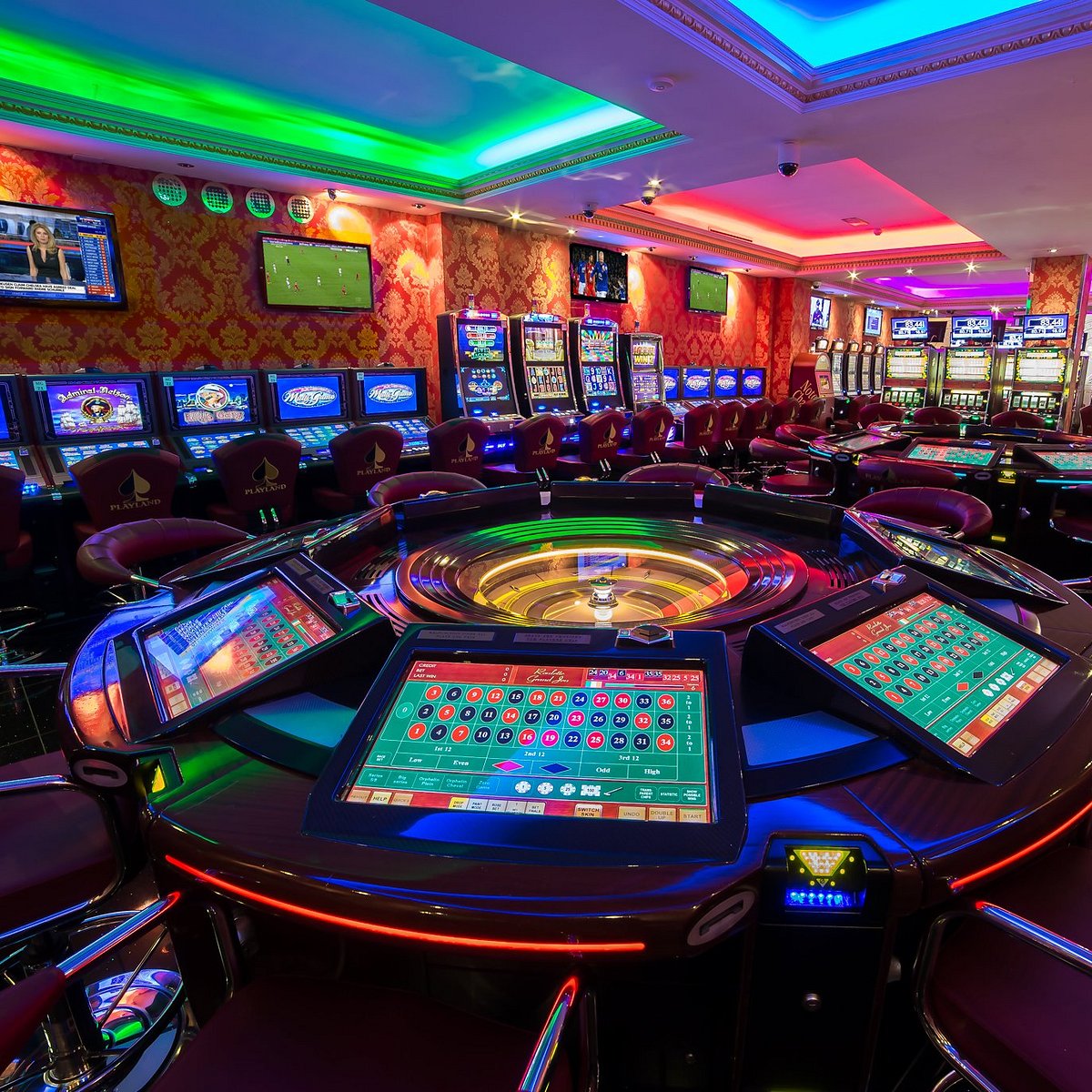
Casinos are designed to captivate our senses and stimulate our emotions. The very environment is a result of extensive psychological research aimed at maximizing player engagement. The use of bright lights, vibrant colors, and enticing sounds creates an atmosphere that is both thrilling and highly addictive. This sensory stimulation taps into our natural instincts, appealing to the thrill-seeking nature inherent in many individuals. Furthermore, the layout of a casino often encourages players to lose track of time, leading them to stay longer and engage more deeply with the games. In this context, many gamblers also seek out uk casinos not on gamstop as they explore various options for enhancing their experience.
Moreover, the psychology of winning is deeply entrenched in the allure of possible rewards. The idea that one might strike it rich in a split second influences decision-making processes, often leading individuals to take risks they might typically avoid. This phenomenon, known as the “near-miss effect,” occurs when players experience outcomes that are close to a win, which can motivate them to continue gambling, believing that success is just around the corner. Such psychological triggers make it essential for players to recognize how their emotions can drive their gambling behaviors.
The Role of Chance and Skill in Winning
In the realm of casino games, players often grapple with the balance between skill and luck. While games like poker and blackjack require skillful strategy and psychological insights into opponent behavior, games such as slots rely purely on chance. Understanding the odds and recognizing the role of randomness is crucial for developing a sound strategy. Skilled players tend to adopt a mindset that enhances their decision-making abilities, enabling them to minimize losses and capitalize on winning opportunities.
From a psychological standpoint, players who view themselves as strategists may experience greater satisfaction and engagement compared to those who approach gambling solely as a game of chance. This perception influences their approach to betting and can create a sense of control over the outcome, even when the odds are generally unfavorable. By employing various strategies and understanding game mechanics, these players can gain confidence, which shifts their mindset towards viewing losses as learning experiences rather than mere failures.
Emotions and Decision-Making in Gambling
The interplay between emotions and decision-making is a critical factor in gambling psychology. Emotions such as excitement, anxiety, and frustration can significantly impact how players make choices at the table or machine. For instance, heightened emotions may lead individuals to take uncalculated risks or ignore their pre-established limits, resulting in financial losses. Recognizing this relationship is vital for sustainable gambling practices, and players are encouraged to develop emotional awareness to maintain control over their gaming sessions.
Furthermore, the concept of “loss aversion” plays a pivotal role in gambling behavior. Players are generally more motivated to avoid losses than to achieve equivalent gains. This psychological phenomenon can lead to chasing losses, where gamblers continue to bet in an attempt to recover lost funds, often resulting in even greater losses. Understanding this pattern can help individuals create strategies that incorporate emotional regulation and sound decision-making, ultimately fostering healthier gambling habits.
Developing a Winning Mindset
To cultivate a winning mindset in casinos, players must combine psychological insight with strategic planning. This involves recognizing and addressing cognitive biases that can distort judgment, such as overconfidence or the gambler’s fallacy. A thoughtful approach to gambling that integrates analysis and emotional intelligence can increase the likelihood of positive outcomes. Players should set realistic expectations and adhere to predetermined budgets to avoid impulsive behavior.
Additionally, fostering a sense of resilience can empower players to handle both wins and losses gracefully. Acknowledging that gambling outcomes are unpredictable and maintaining a balanced perspective contributes to a healthier relationship with gaming. This mindset encourages individuals to view gambling as a form of entertainment rather than an income source, ultimately leading to a more fulfilling experience.
Support Resources for Responsible Gambling
While the excitement of casinos can be exhilarating, it’s vital for players to remain vigilant about the potential pitfalls of gambling addiction. Numerous resources exist to help individuals navigate their relationship with gambling, promoting responsible play and emotional well-being. From counseling services to informative websites, players can find support tailored to their needs.
Recognizing when gambling becomes problematic is the first step toward recovery. It is crucial for individuals to seek help and develop coping strategies to handle any negative impacts on their lives. By accessing resources and connecting with professionals, players can cultivate a healthier gambling experience, ensuring that enjoyment remains at the forefront of their gaming pursuits.