Exploring the cultural significance of gambling across different societies
The Historical Roots of Gambling
The practice of gambling can be traced back thousands of years, with evidence found in ancient civilizations such as the Mesopotamians, Egyptians, and Chinese. These early forms of gambling often intertwined with religious rituals, where dice or betting materials were used in divination practices. As societies evolved, so did gambling, transitioning from rudimentary games of chance to more structured forms involving betting and wagering. Pin Up Guyana has emerged as an example of this evolution, combining aspects of tradition with modern practices.

In Rome, gambling became a popular pastime, often associated with social gatherings. While emperors and wealthy citizens participated in betting games, the common populace was not excluded from this cultural phenomenon. The acceptance of gambling in Roman society influenced its spread across Europe, leading to the development of various gaming houses and betting venues that would flourish in the Middle Ages.
Gambling in Eastern Cultures
In Eastern societies, particularly in China, gambling has deep cultural roots and is often seen as a means of fortune-seeking. Traditional games like Pai Gow and Mah Jong are not merely entertainment; they embody social interactions and family bonding. The Chinese New Year, for instance, features gambling as part of the festivities, emphasizing its cultural significance and role in communal harmony. The influence of gambling practices can also be seen in regions where the Pin Up Casino has begun to capture the local interest.
Similarly, Japan has its own unique gambling traditions, notably Pachinko, which blends gaming with elements of chance and luck. The cultural acceptance of gambling in these societies reflects the belief in fortune and fate, indicating that it serves not only as entertainment but also as a way to navigate life’s uncertainties.
The Role of Gambling in Western Cultures
In Western cultures, gambling has often been linked with notions of luck, risk-taking, and adventure. From the emergence of lotteries in the Renaissance to the establishment of casinos in the modern era, gambling has reflected societal values and economic conditions. The rise of Las Vegas as a gambling hub epitomizes this phenomenon, where entertainment and chance converge in a multi-billion-dollar industry.
Moreover, gambling in Western societies has faced scrutiny and regulation. The interplay between legality and morality shapes the perception of gambling, as lawmakers wrestle with its implications on social welfare and public health. This ongoing debate underscores the complex relationship Western cultures have with gambling, balancing its economic benefits with potential societal risks.
Cultural Perspectives and Societal Impacts
The cultural perspectives on gambling significantly influence its acceptance and practice within societies. In some cultures, gambling is seen as a leisure activity, while in others, it may carry a stigma associated with vice or addiction. These varying views can shape policies, education, and even family dynamics surrounding gambling.
Furthermore, the societal impacts of gambling extend beyond individual experiences. Economic contributions through taxation and job creation are notable, yet issues like gambling addiction and social inequality often emerge as significant concerns. Understanding these cultural contexts allows for a deeper appreciation of how gambling functions within different societal frameworks.
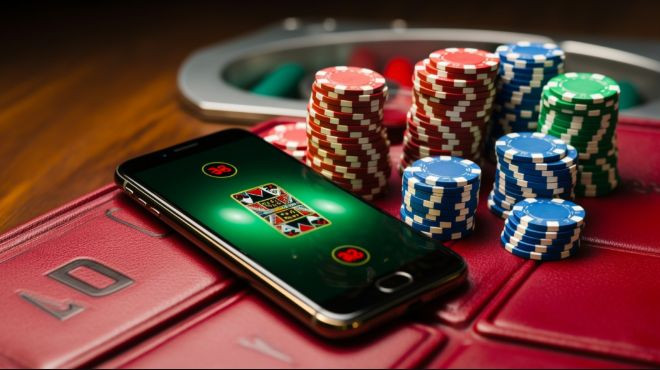
The Pin Up Casino Experience and Its Cultural Relevance
The Pin Up Casino represents a modern fusion of gambling and entertainment, catering to a diverse audience with its unique offerings. This platform showcases how digital advancements are reshaping the gambling landscape, making it accessible to a broader demographic. The interactive nature of online casinos allows players to engage in various games, bridging traditional practices with contemporary technology.
As gambling continues to evolve, platforms like the Pin Up Casino not only reflect changing consumer behaviors but also highlight the ongoing cultural significance of gambling. By embracing a global audience, they contribute to the ongoing dialogue about the role of gambling in society, merging enjoyment with the cultural heritage of gaming traditions around the world.